What is Spirulina?
Spirulina is a type of blue-green algae that grows naturally in freshwater lakes, ponds, and rivers. Known as one of the most nutrient-dense superfoods, spirulina has been consumed for centuries due to its impressive health benefits. It is packed with essential vitamins, minerals, antioxidants, and protein, making it a popular supplement among health enthusiasts.
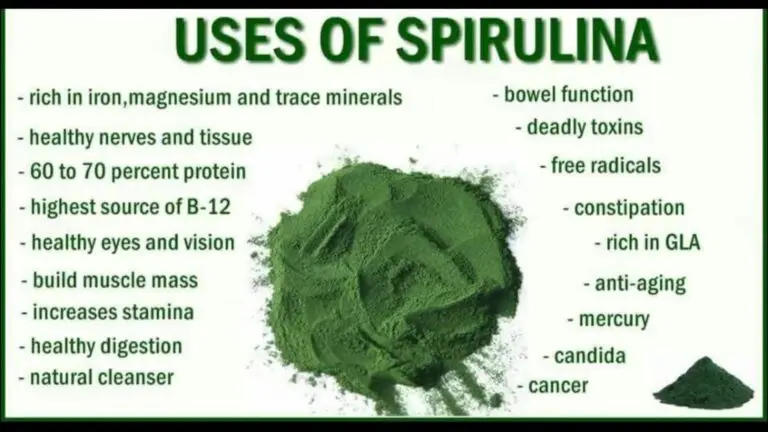
Rich in protein (containing all nine essential amino acids), spirulina is especially valued by vegetarians and vegans. It also boasts high levels of B vitamins, iron, calcium, and magnesium, supporting energy levels, immune function, and overall well-being. Its antioxidant properties, notably phycocyanin, help combat oxidative stress and inflammation in the body.
Spirulina is often praised for its potential to boost immune response, improve digestion, and enhance cardiovascular health. Research suggests it may help lower cholesterol levels, reduce blood pressure, and regulate blood sugar, making it beneficial for those managing chronic conditions.
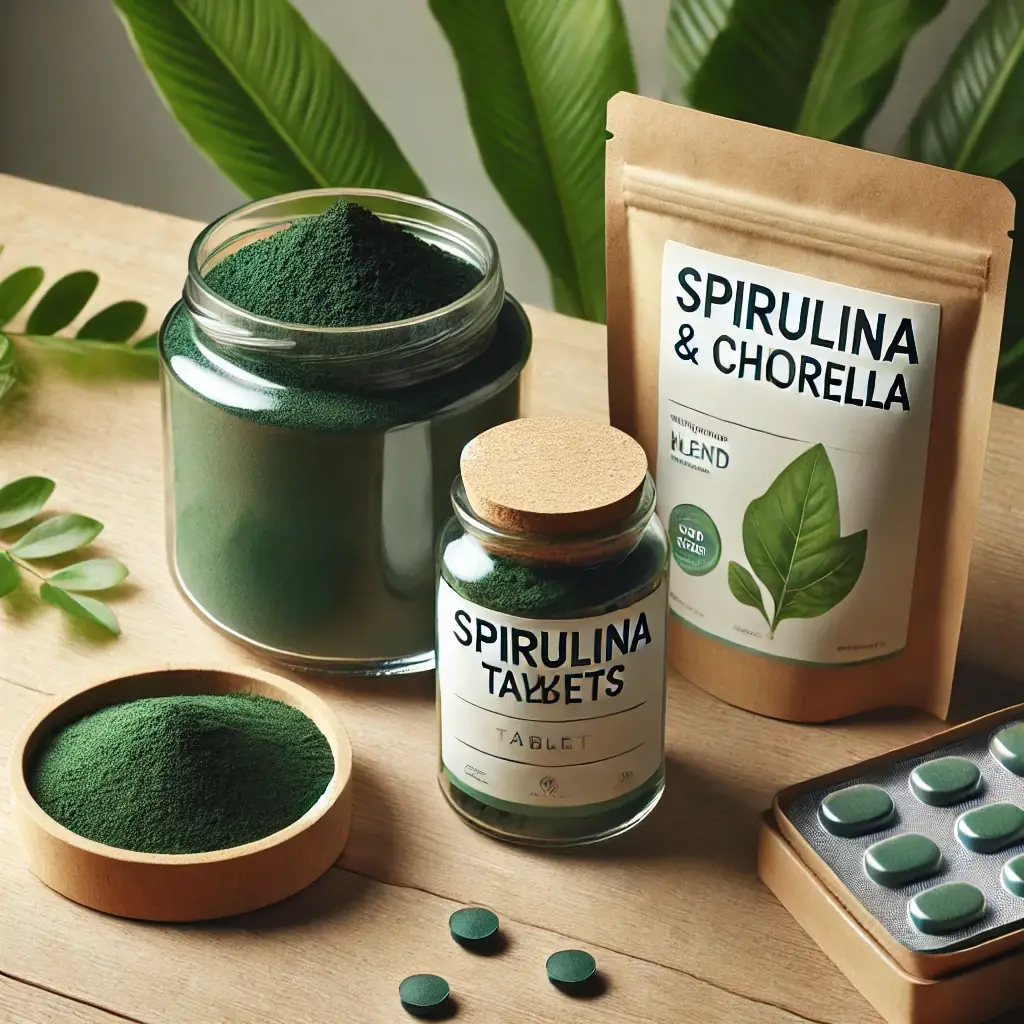
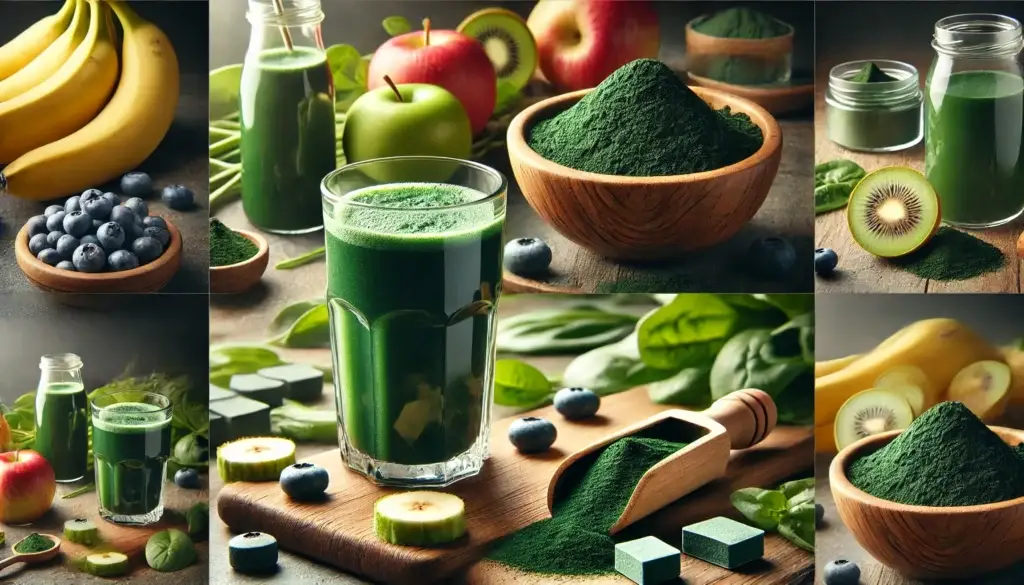
Available in powder, tablet, and capsule form, spirulina can be easily added to smoothies, juices, or even sprinkled over salads for a nutritional boost. Its vibrant green color and distinct taste make it a unique addition to a healthy diet. Incorporating spirulina regularly can contribute to improved vitality and overall health.
THE BLOG - 10 Health Benefits of Spirulina